I realized that while I used to read manga I could find the clues hidden before they were revealed at the end.
Multiple times I remember seeing(or mostly missing) important clues and I would come back to them later when they were referenced at the end and would think was it clear enough and most of the time they actually were.
In the TV Show however, while looking for clues the protagonist will actively hide the clues, not let us see it and just say to the camera he knows the complete trick.
With the anime, it felt like it was meant to me consumed without pausing or thinking over stuff at all but in the manga since you go at your own pace, you can stop and ponder over something on the sides without being completely out of the loop.
However, sometimes, they were so obvious that they killed the mood completely. Like the camera will pan into a person sitting very closely and literally speak out to you, "This is the murderer and here's why."
While watching the anime either I am completely oblivous to what the brains behind the murder was or it would be too obvoius but it was never "watching and thinking", it was just "watching".
On the other hand, with the manga I am reading and I am speculating, I sometimes bookmark a page and go way back to figure out what's what.
One more thing, since manga is colorful and they don't have to always draw every unncessary thing, things that are important are only drawn and hence with manga you are on topic.
I guess the difference is sort of like a picture and an artist drawing of the same topic. The artist will show you his vision whereas the picture will be the same for everyone so you are flooded with information, whereas with a paiting they decide what they want to show you.
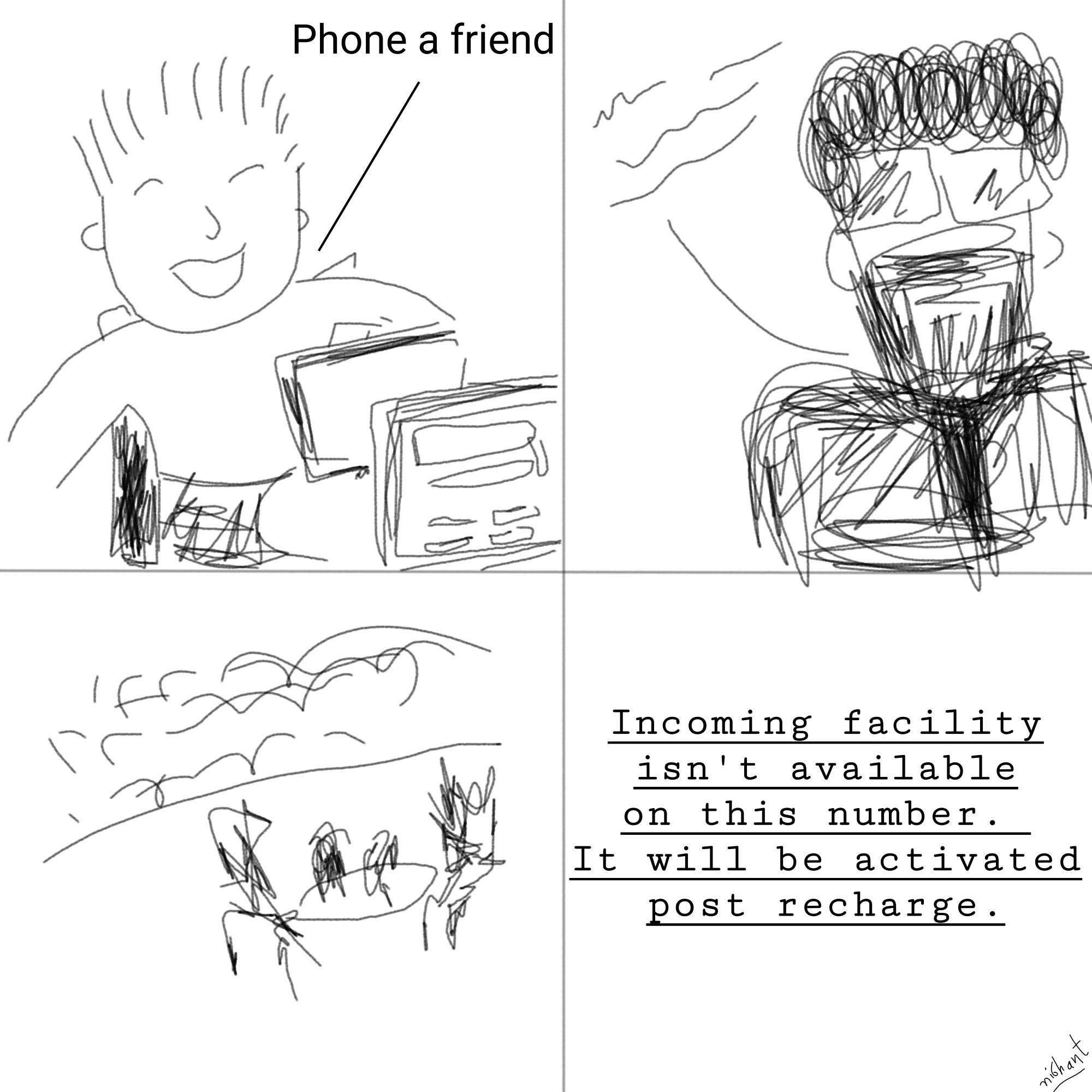
Somethign I learnt while drawing my frist small comic after I read a lot of manga and was motivated to draw even a small one: